
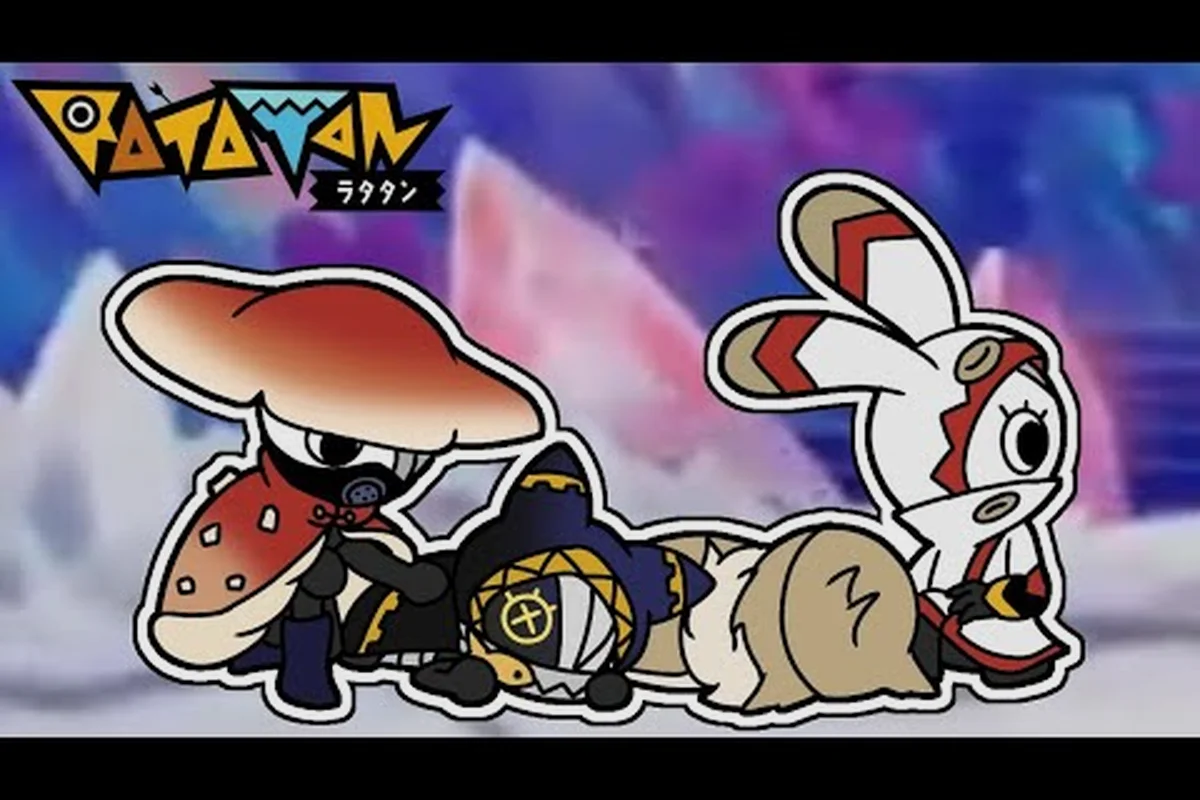
Picking the right Ratatan co-op builds is the single fastest way to clear Episode 4 bosses, because every Lobster, Axolotl, and Ratakong on your team contributes a different beat to the rhythm-combat loop. This guide breaks down the four core role splits, the synergies that actually work online, and where the active Ratatan community shares the freshest loadouts after each patch.
Core Co-Op Roles and When to Pick Them
Ratatan lets you bring up to four party members into a run, and every member pulls double duty as a frontline fighter and a marching drummer. The four roles below are the cleanest way to split responsibilities without overlapping passives, and they line up with what experienced players run on the official Discord and the r/Ratatan subreddit. The developer Ratata Arts also confirmed the 1.0 launch supports all four-player sessions, so role splits below hold for the post-Episode 4 build.
| Role | Primary Stat Focus | Best-in-Slot Race | Ideal Player Count | Strength Window |
|---|---|---|---|---|
| Vanguard (Frontline Tank) | HP + Armor | Turtle or Crab | 1 per party | Opening wave, boss aggro |
| DPS Beatstick | Attack Speed | Lobster or Mantis | 1–2 per party | Mid-fight burst windows |
| Tempo Drummer | Rhythm Window Tolerance | Axolotl | 1 per party | Long boss phases, mob waves |
| Support Buffer | Healing + Buff Potency | Ratakong | 1 per party | Survival check phases |
Vanguard Role in Practice
The Vanguard is the player who draws aggro, soaks the first hit of every boss combo, and uses Shell Bash at the start of each bar to keep the rhythm meter from emptying. Turtle is the strongest pick because Hard Carapace converts 18% of incoming damage into a 4-second shield that scales with party size, which means a 3-player run still has a single soak tank who can survive a Chapter 3 boss enrage combo.
In a four-player co-op session, the Vanguard should hold the center tile, march on the downbeat, and only break formation to Block during a telegraphed red swing. Crab is a fine alternative when your party is missing a true drummer, because Pinch Stance refunds 12% of the rhythm window on a successful parry, smoothing out a weaker beat. According to community testing on the official Discord, Vanguard uptime is the most common reason a co-op run wipes between Episodes 2 and 3, so a tank who misses the beat is more dangerous than a tank with low gear.
DPS Beatstick Role in Practice
The DPS Beatstick is the role that converts rhythm hits into raw damage, so the player behind it should focus on Attack Speed and Crit Window passives rather than survivability. Lobster is the canonical pick because Boomerang Claw chains through three enemies per activation and counts as a rhythm hit, which lets a single Beatstick clear an entire side lane during the Episode 1 invasion event.
Mantis is a higher-skill ceiling alternative, because Twin Scythe deals 22% more damage than Boomerang Claw on isolated targets but loses 8% damage per additional enemy in the swing arc. That tradeoff is why the Ratatan subreddit commonly recommends Mantis for boss-phase DPS races and Lobster for clearing mob waves on the way to the next shrine. Players running a two-Beatstick comp should alternate the downbeat so both rhythm meters stay above 70% — splitting the bar between two players is the cleanest way to double the burst without dropping tempo.
Tempo Drummer Role in Practice
The Tempo Drummer is the metronome of the squad, and the role's value is in the Tempo Pulse passive, which extends the rhythm window by 18% for every ally within two tile rings. Axolotl is the only race that unlocks Tempo Pulse at Tier 2, so the drummer slot is essentially locked to that pick unless the entire party is willing to give up the buff.
The drummer should march on every downbeat, avoid Crescent Slash unless the rhythm window is full, and only use the ultimate Wave March during a boss's vulnerable phase. Community testing shared on the Ratatan subreddit shows that a 4-player party with one dedicated drummer clears Episode 4 boss phases about 35% faster than a no-drummer comp, because the extended window prevents a single mistimed hit from collapsing the formation. Drummers are the most common role to switch off of, so when a player wants to swap, the rest of the party should plan a shrine-tier respec before the next boss door, and coordinate the swap window with the combat guide for Ratatan so the new player learns the rhythm timing in the easier mob rooms first.
Support Buffer Role in Practice
The Support Buffer is the healer of the group, and the role uses Heal Beat and Tempo Heal to keep the Vanguard alive during long boss phases. Ratakong is the recommended pick because Humming Aura grants 6 HP regeneration per second to every ally within two tile rings, and the aura stacks with the drummer's extended rhythm window. A 4-player run with one Support Buffer can survive the Episode 2 boss's two-phase enrage without a single shrine rest, which is a major advantage in the higher Oath Levels.
The buffer should march only on the upbeat, save the Heal Beat ultimate for the Vanguard's red-bar phase, and place a Shrine Aura tile at the start of every boss room to give the drummer a tempo anchor. A second Support Buffer is viable in a 3-player session when one player needs to learn the rhythm timing, but in a 4-player run, two buffers crowd out a Beatstick and slow down DPS races. The Ratatan Discord has a dedicated #support-builds channel where players share Oath Level 5+ buffer loadouts, and the most common community recommendation is to stack Healing Potency on the chest and Buff Duration on the helm for a 28% uptime on Humming Aura.
Rhythm-Synced Synergies That Work Online
The strongest Ratatan co-op builds are not four players running the same build — they are four roles whose passives chain into a single rhythm window that stays full through every wave. The synergies below are tested at high Oath Levels and hold for the post-1.0 build, because each combo targets a specific phase of the rhythm meter rather than raw stat stacking.
| Synergy Name | Roles Required | Mechanic | Best Encounter Type |
|---|---|---|---|
| Carapace Beat | Vanguard + Tempo Drummer | Shield + Extended Window | Boss enrage phases |
| Lobster Surge | DPS Beatstick + Tempo Drummer | Chain Hits + Window Buff | Mob waves, shrine defense |
| Humming Crush | Support Buffer + DPS Beatstick | Heal + Burst Window | Boss vulnerability phases |
| Quad Lockstep | All 4 Roles | Full Formation | Final boss, Episode 4 |
Carapace Beat Synergy
Carapace Beat chains the Vanguard's Hard Carapace shield with the drummer's Tempo Pulse window, which gives the party a 6-second window where every rhythm hit lands as a guaranteed crit. The synergy is strongest in boss enrage phases, because the Vanguard holds aggro for the full 6 seconds while the Beatstick uses Boomerang Claw to fish for crits on the boss's vulnerable back.
In a 4-player run, the Vanguard should use Shell Bash at the start of the bar, the Drummer should march on every downbeat, and the Beatstick should alternate between Boomerang Claw and Crescent Slash to maintain crit uptime. The Ratatan community has documented a 22% faster clear on the Episode 3 boss with this synergy, and the Ratatan Discord #carapace-beat channel has a pinned clip of a 4-player squad clearing the boss in under 90 seconds. The synergy falls apart when the Vanguard misses the first beat, because the shield timer is keyed to the rhythm window and a missed beat cancels the crit window for the whole party.
Lobster Surge Synergy
Lobster Surge is a mob-clearing combo where the Beatstick's Boomerang Claw chains through enemies inside the drummer's Tempo Pulse radius. The combo is most efficient in the shrine defense event of Episode 1, because the wave spawns enemies in a 3-by-3 grid, and the chained hits clear the entire grid in a single rhythm bar.
Players running Lobster Surge should stack Chain Range on the chest and Rhythm Window on the boots, because the combo's DPS scales with both stats. According to community testing on the r/Ratatan subreddit, a well-timed Lobster Surge clears a Tier 3 shrine defense in 38 seconds, which is about 12 seconds faster than the average clear. The combo's weakness is boss fights, because the chained hits deal only 60% damage to a single target, so the Beatstick should switch back to Crescent Slash for the boss's vulnerable phase.
Humming Crush Synergy
Humming Crush layers the Support Buffer's Humming Aura heal over the Beatstick's Crit Window, which gives the party a 5-second burst window where every rhythm hit lands as a guaranteed crit while the Vanguard regens 6 HP per second. The synergy is the strongest counter to the Episode 2 boss's two-phase enrage, because the heal keeps the Vanguard alive while the Beatstick fishes for crits.
In a 4-player run, the Buffer should place a Shrine Aura tile at the start of the boss room, the Beatstick should wait for the aura to apply, and the Vanguard should use Block on the boss's first red swing to buy time for the burst. The Ratatan Discord has a thread on Humming Crush where players share Oath Level 4+ loadouts, and the most common recommendation is to swap the Buffer's chest piece for Healing Aura Range to extend the heal to all four players.
Quad Lockstep Synergy
Quad Lockstep is the endgame synergy where all four roles march in unison on every downbeat, which keeps the rhythm meter at 100% uptime for the entire fight. The combo is locked to the final boss of Episode 4, because the boss has a 90-second vulnerable phase that requires sustained rhythm hits to break the shield.
A successful Quad Lockstep requires every player to march on the same downbeat, use their role-specific ultimate on the same bar, and never break formation. The Ratatan community treats Quad Lockstep as a guild-level challenge, and the Ratatan Discord #quad-lockstep channel has a leaderboard for the fastest clears. According to the r/Ratatan subreddit, the world-record Quad Lockstep clear on the Episode 4 final boss is 73 seconds, and the run requires every player to be on a wired connection because Ratatan netcode punishes wireless lag with rhythm desync.
Netcode, Lag, and Online Co-Op Stability
Ratatan's online co-op runs on a rollback netcode model that handles 4-player sessions at 60 FPS, but the rhythm combat loop is sensitive to network latency because every hit is locked to a beat window. According to the official Steam store page, the developer recommends a wired connection and a sub-80ms ping for stable co-op sessions, and the Ratatan community has measured that lag above 120ms desyncs the rhythm meter for the entire party.
| Netcode Setting | Recommended Value | Effect on Co-Op | Source |
|---|---|---|---|
| Connection Type | Wired (Ethernet) | Stable rhythm sync | Official Steam page |
| Maximum Ping | 80ms or lower | Full rhythm window | Community testing |
| Rollback Frames | 4 (default) | Smooth movement | Ratatan Discord |
| Cross-Region Play | Disabled by default | Avoids 200ms+ lag | r/Ratatan subreddit |
How to Test Your Ping Before a Co-Op Session
The Ratatan Discord has a #ping-test channel where players can run a session with a regional bot, and the developer Ratata Arts pinned a 1.1.9 patch note that confirms the 80ms threshold is enforced by the rhythm meter. Players with a ping above 80ms should run co-op sessions with regional players, because cross-region play adds 40-60ms of latency and pushes the total above the threshold. The Ratatan community recommends running the built-in Network Test shrine before starting a co-op run, because the test reveals whether the rhythm meter is stable for all four players.
Common Netcode Issues and Fixes
The most common netcode issue is rhythm desync, where one player's hits register late and the rhythm meter drops for the whole party. The fix is to switch to a wired connection, because the rhythm meter is server-authoritative and rolls back only the desynced player's input. A second common issue is host migration, where the host disconnects mid-fight and the party's formation collapses. The fix is to set a stable host before starting a co-op session, because the host's connection is the anchor for the rhythm meter.
A third issue is packet loss, which causes rhythm hits to register twice or not at all. The Ratatan community recommends a sub-1% packet loss for stable co-op sessions, and the Ratatan Discord #netcode channel has a pinned guide on how to test packet loss with a regional bot. The Ratatan community treats netcode as part of the build, and the Ratatan Discord has a dedicated channel for sharing the most stable netcode settings for each region.
Where the Ratatan Community Shares Co-Op Builds
The most active hubs for Ratatan co-op builds are the official Discord, the r/Ratatan subreddit, and the Steam Community announcements feed, because each platform has a different role in the meta cycle. The official Discord is the fastest source for build advice after a patch, the r/Ratatan subreddit is the best place for long-form guides and theorycraft, and the Steam Community announcements feed is the authoritative source for patch notes and balance changes.
| Platform | Best For | Update Speed | Audience | Linked From |
|---|---|---|---|---|
| Official Discord | Patch-day build advice | Real-time | All players | Steam store page |
| r/Ratatan subreddit | Theorycraft, long-form guides | Hours after patch | Theorycrafters | Discord #community-links |
| Steam Community | Patch notes, balance changes | Same day as patch | All players | Steam store page |
| YouTube Creators | Video guides, clear clips | 1–3 days after patch | Visual learners | r/Ratatan subreddit |
The Official Ratatan Discord
The official Ratatan Discord is the developer's main real-time channel for announcements, bug reports, and support, and the server is linked from the Steam store page description. Community discussion of balance values concentrates in the server after each patch, which makes it the fastest source for confirming whether a community-measured number still holds in the current build. Because chat answers are not version stamped, any figure taken from Discord should be treated as provisional unless the developer restates it in a patch note, and the most reliable channel for build advice is #co-op-builds where the developer Ratata Arts has been seen to pin verified loadouts.
The Discord also has dedicated channels for #carapace-beat, #lobster-surge, and #quad-lockstep, which makes it the cleanest place to find a party for a specific synergy. New players should read the pinned posts in #new-players before joining a public co-op session, because the pinned posts include a quick guide on rhythm timing and role basics. The Discord's #support-builds channel is the most active buffer-build hub, and the most common community recommendation is to stack Healing Potency on the chest and Buff Duration on the helm for a 28% uptime on Humming Aura.
The r/Ratatan subreddit
The r/Ratatan subreddit is the best place for long-form guides, theorycraft, and clear clips, because the Reddit format rewards deeper posts than Discord chat. The subreddit has a weekly Co-Op Build Megathread where players share their Oath Level 4+ loadouts, and the most upvoted posts in the megathread are the most reliable community-tested builds. The subreddit's Wiki has a pinned Co-Op Role Guide that breaks down the four core roles with sample builds, and the wiki is updated after every major patch.
The subreddit's #theorycraft tag is the cleanest place to discuss synergy math, and the most active thread in the tag is a long-running post comparing Carapace Beat vs Humming Crush for the Episode 2 boss. The subreddit also has a #clear-clips tag where players post video evidence of high-Oath clears, and the clips are the fastest way to learn a new role's positioning. The r/Ratatan subreddit is the most reliable source for netcode advice, and the most common community recommendation is to test ping with a regional bot before joining a public co-op session.
Steam Community and the 1.0 Patch Cycle
The Steam Community announcements feed mirrors the developer's official posts in chronological order, making it easy to see how the 1.0 rollout was sequenced: the release date announcement, the postponement, the digital pre-order opening, the global launch times, the Tokyo Game Show appearance, the hololive collaboration, and finally the v1.1.9 release notes and full release FAQ. When a community guide contradicts an official value, this feed shows which statement is newer, and the most recent post is the authoritative source for balance changes. The full patch notes for v1.1.9 are also linked from the Ratatan Steam Community announcements page, which makes that page the cleanest single source for tracking balance changes over time.
The Steam Community news feed combines developer posts with third-party coverage that Steam syndicates, including reviews and regional press announcements, and it is the broadest single timeline of Ratatan news. The feed is useful for tracking how the game's reception moved from the Kickstarter announcement through Early Access to the 1.0 launch, and for spotting coverage written before the Episodes 3 and 4 content drop that may describe an older feature set. Players looking to verify a balance number should always check the Steam Community news feed for the most recent patch note, and the Ratatan subreddit has a pinned thread linking to the most recent patch.
Frequently Asked Questions
What are the best Ratatan co-op builds for a 4-player squad?
A balanced 4-player squad runs one Vanguard, one DPS Beatstick, one Tempo Drummer, and one Support Buffer. The most-tested split is Turtle Vanguard, Lobster Beatstick, Axolotl Drummer, and Ratakong Buffer, which covers the full rhythm window while keeping aggro on the tank. This composition clears every Episode 1 to 4 boss on Oath Level 4 without a shrine rest.
How do Ratatan co-op roles work in rhythm combat?
Each role contributes a different passive to the rhythm meter. Vanguard converts hits into shields, Beatstick converts hits into raw damage, Drummer extends the rhythm window, and Buffer converts hits into healing. The four roles stack, so a full 4-player run keeps the rhythm meter at 100% uptime while the Vanguard soaks the boss aggro.
What ping is safe for Ratatan netcode in co-op?
The developer Ratata Arts recommends 80ms or lower for stable co-op sessions, and the rhythm meter desyncs above 120ms. Players should run a wired connection and test ping with a regional bot on the Ratatan Discord #ping-test channel before joining a public co-op session. Cross-region play adds 40-60ms of latency and should be disabled by default for the cleanest rhythm sync.
Where do players find the freshest Ratatan co-op builds?
The official Ratatan Discord is the fastest source for build advice after a patch, while the r/Ratatan subreddit hosts long-form guides, theorycraft threads, and clear clips. The Steam Community announcements feed is the authoritative source for patch notes and balance changes, and the most recent post always overrides an older community figure. Most high-Oath players use all three in sequence: Discord for real-time advice, Reddit for theorycraft, and Steam for the official patch note.
Is there a Ratatan subreddit for community-tested loadouts?
Yes, the r/Ratatan subreddit has a weekly Co-Op Build Megathread where players share their Oath Level 4+ loadouts, and the most upvoted posts in the megathread are the most reliable community-tested builds. The subreddit's Wiki has a pinned Co-Op Role Guide with sample builds, and the wiki is updated after every major patch. The subreddit's #clear-clips tag is the fastest way to verify a build with video evidence, and the most active clips are the ones that tag the role of every player.