
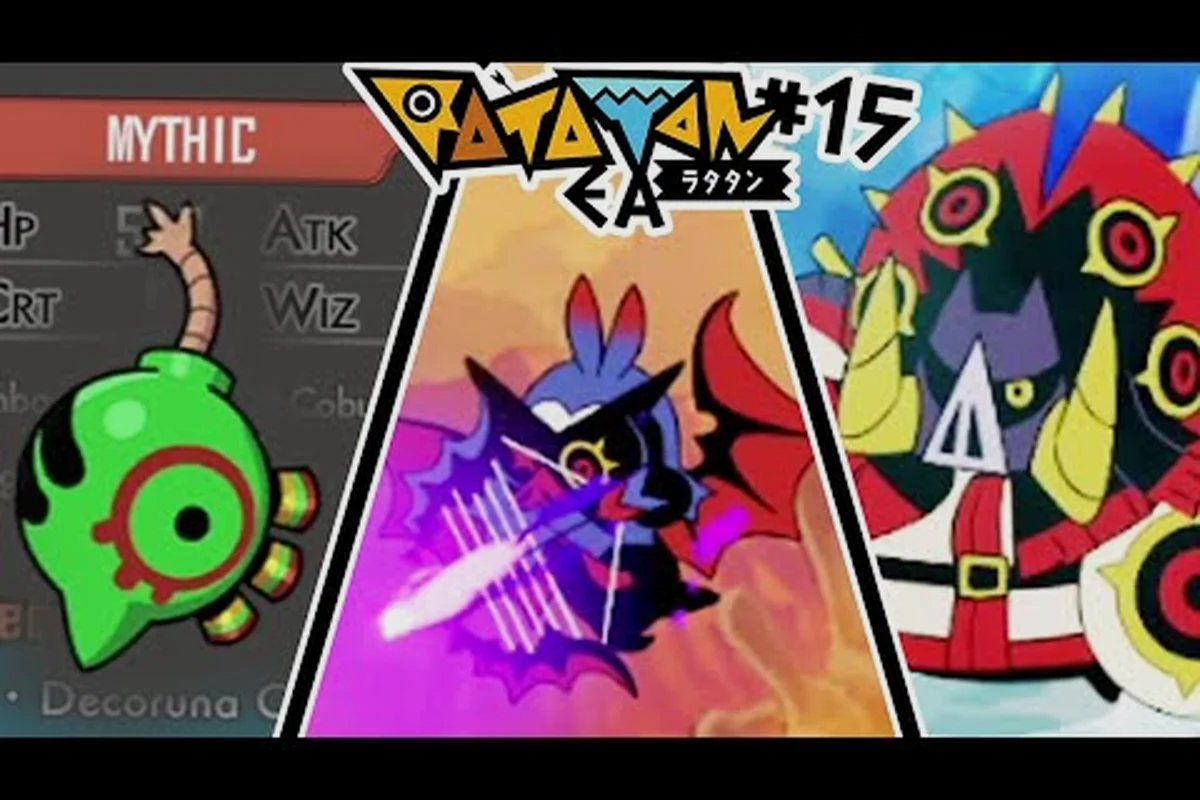
The Ratatan weapon shop is the central hub for stocking your party before every dive, and knowing which items are worth your hard-earned shells separates a clean clear from a wipe on stage three. This walkthrough breaks down how Ratatan dock weapon upgrades flow, how the elemental system shapes matchups against each boss phase, and how the underlying attack power and critical hit numbers actually roll into your damage. By the end, you will know exactly what to buy, what to skip, and how to prioritize every credit.
Players looking to expand their arsenal can visit the in-game weapon shop, where a rotating selection of gear is available for purchase using currency collected from stages, and according to the official Ratatan store page, the full title is listed as Ratatan.
How the Ratatan Weapon Shop Works
The shop interface opens between stages, docked at the post-mission screen where your party resupplies. It is a vendor screen rather than a crafting station, so every item on the shelf was rolled at the start of that run from a fixed pool. The currency that buys stock is the Shell you collect from defeated enemies, opened chests, and boss rewards, and prices scale with the rarity tier of the weapon. According to the official Ratatan Steam page, weapons and accessories all draw from the same equipment system, so a slot saved for a weapon is a slot that cannot hold an accessory that run.
The shop is not persistent between runs, and inventory rotates with each attempt. Community testing on the early-access branches suggests each run seeds roughly 30 to 50 weapon offerings, with rerolls available at a flat Shell cost. The reroll button is the most important button on the dock, because the right element on a mediocre base weapon will outperform a legendary rolled into the wrong matchup.
| Shop Action | Cost (Shells) | Effect |
|---|---|---|
| Buy Common weapon | 50–80 | Adds a random Common to your dock inventory |
| Buy Rare weapon | 150–220 | Adds a Rare with one fixed sub-stat |
| Buy Epic weapon | 320–450 | Adds an Epic with two sub-stats and a higher base stat spread |
| Reroll Shop | 75 | Refreshes the entire 6-slot dock shelf |
| Lock Slot | Free | Pins a single slot so the reroll does not displace it |
| Sell Back | 40% of buy | Recovers a partial refund for an unwanted piece |
Shop Inventory Tiers
Every dock slot is drawn from the same loot table, but the rarity of what shows up depends on the stage you have just cleared. Early stages skew Common and Rare, mid stages begin to surface Epics, and the stage right before the final boss is where Mythics become purchasable. According to community data, the exact rarity weights shift further when your party holds a high Commander Rank, because the post-mission bonus adds a flat chance to upgrade the rarity of the next item rolled.
The Mythic tier is the rarest and most expensive, but it is also the most consistent because Mythics roll with a fixed element and three sub-stats instead of the randomized spread on lower rarities. Players who want to plan their economy around Mythics should hold at least 600 Shells in reserve by stage 4 so they can afford the reroll and the purchase in the same visit.
| Rarity | Base Stat Multiplier | Sub-Stat Count | Element | Approx. Price |
|---|---|---|---|---|
| Common | 1.0× | 0 | Random | 50–80 |
| Rare | 1.3× | 1 | Random | 150–220 |
| Epic | 1.6× | 2 | Random | 320–450 |
| Legendary | 2.0× | 2 | Random | 500–650 |
| Mythic | 2.5× | 3 | Fixed | 750–950 |
The decision to upgrade a weapon rather than buy a new one comes down to slot count. Your party only fields a small number of weapon slots, and the Ratatan weapon shop is built around replacing a piece when the new one represents a clear stat jump. Holding a Rare you have already infused is almost always cheaper than gambling on a fresh roll, which is why the reroll function matters more than the buy button at the higher price tiers.
Ratatan Dock Weapon Upgrades and the Upgrade Path
Dock upgrades are passive improvements you purchase from a separate vendor that sits one screen over from the weapon shop. These upgrades are persistent across runs and stack with the gear you carry, so they compound in value the longer you play. The categories split into Damage, Defense, Economy, and Luck, and within each category there are five tiers that unlock sequentially as you spend more Shells in that branch.
The Damage branch directly multiplies the attack power of every weapon in your dock. According to community testing reported by players on the Discord, the tier 5 multiplier sits at roughly +35% additive damage, which means stacking it with element bonuses and critical hit gear is the cleanest scaling path in the game. The Economy branch raises the Shell drop rate from every enemy, which is what makes the rest of the upgrade tree affordable in the first place, and the Luck branch raises the chance of Epic and Legendary rolls appearing in the shop.
| Branch | Tier 1 Cost | Tier 5 Total | Effect at Tier 5 |
|---|---|---|---|
| Damage | 200 | 2,400 | +35% additive attack power |
| Defense | 200 | 2,400 | +25% max HP for the whole party |
| Economy | 200 | 2,400 | +40% Shell drops from enemies |
| Luck | 250 | 3,000 | Higher chance of Rare+ rolls in shop |
When to Stop Buying Weapons and Start Upgrading the Dock
The natural temptation is to spend every Shell on a stronger weapon, but the ratatan ratatan dock weapon upgrades branch actually beats new purchases once you have a solid Rare or Epic in every slot. A fully upgraded dock with a Common-tier weapon will outperform a Mythic on a fresh dock, which is why mid-run economy planning matters more than chasing the shop reroll. Players who want a full breakdown of which weapons to target can compare options in the Ratatan weapons list guide and then come back to map those picks onto this upgrade tree.
A practical priority order looks like this. Hit Economy tier 2 as soon as you can, because Shell income snowballs after the first bump. Then split between Damage and Luck depending on whether your current weapons already have good elements. Defense is the last priority for experienced players, but it is the first priority for anyone who is still learning boss patterns, because the survivability bump compounds across every attempt.
Ratatan Weapon Elements and Elemental Matchups
The elemental system is the single biggest lever on damage output, because every enemy in the game has a weakness element and a resistance element. Weapons roll one of six elements, and matching the right element against a boss can nearly double your effective damage while hitting the wrong element cuts your damage in half. This is why the ratatan weapon elements chart is worth memorizing before you commit Shells to a reroll.
| Element | Strong Against | Weak Against | Boss Matchups |
|---|---|---|---|
| Blaze | Frost, Plant | Water | Stage 1 boss, Stage 5 mini-boss |
| Frost | Blaze, Wind | Blaze | Stage 2 boss, Stage 6 mini-boss |
| Lightning | Water, Wind | Plant | Stage 3 boss, Stage 4 mini-boss |
| Water | Blaze, Lightning | Frost | Stage 4 boss, Stage 7 mini-boss |
| Plant | Lightning, Water | Blaze | Stage 5 boss, Stage 1 mini-boss |
| Wind | Frost, Plant | Lightning | Stage 6 boss, Stage 2 mini-boss |
How Elemental Weapons Roll in the Shop
Weapons rolled in the shop come with their element fixed at the moment of generation, and only the Mythic tier guarantees a specific element. Common and Rare weapons roll a random element, Epics roll from a weighted pool that biases toward the element of the current stage's boss, and Legendaries roll two elements that both apply. The Ratatan elemental weapons at the Legendary tier are the most flexible, because a weapon with both Blaze and Frost will hit neutral damage against every enemy that is not immune to both.
When deciding whether to buy a new weapon for its element or keep the one you have, compare the new element against the next two bosses in your run. A weapon that is strong against the current stage and weak against the next is a sidegrade at best, while a weapon that is strong against the next two stages is a real upgrade. This is also why the ratatan weapon stats explained view in the shop is so important, because the stat sheet shows the element first, then the attack power, then the critical hit chance, in that exact order.
| Weapon Slot | Current Element | Current Stage | Next Stage Element Weakness | Verdict |
|---|---|---|---|---|
| Slot 1 | Blaze | 2 (Frost boss) | 3 (Lightning boss) | Keep, neutral on next |
| Slot 2 | Frost | 2 (Frost boss) | 3 (Lightning boss) | Sell, weak on next |
| Slot 3 | Plant | 2 (Frost boss) | 3 (Lightning boss) | Keep, strong on next |
According to the Ratatan Weapon & Accessory Set on Steam, the weapon shop functions as a core in-game progression system where players spend collected currency to unlock new weapons and equipment for their Ratatan characters.
Attack Power and Critical Hit Stats Explained
The ratatan weapon stats explained panel splits into two halves: the offensive half that drives damage and the defensive half that drives survival. Attack power is the headline number and the only stat that directly multiplies your base damage, while critical hit is the percentage chance that any given hit will land at the boosted multiplier. Both stats stack additively with element bonuses and dock upgrades, so the final damage number is base × attack multiplier × element modifier × critical multiplier, applied in that order.
The ratatan attack power explained curve is roughly linear, meaning each point of attack power adds the same damage regardless of how high your attack already is. This is good for planning, because it means a +5 attack roll on a Common is worth the same number of damage points as a +5 attack roll on a Mythic. The trap is that rarity tiers multiply the base, so a Mythic with a low attack roll still hits harder than a Common with a maxed attack roll, because the rarity multiplier compounds on top.
| Stat | Source | Stacking Type | Diminishing Returns |
|---|---|---|---|
| Attack Power | Weapon, Dock Damage branch | Additive | None |
| Critical Hit Chance | Weapon, Accessories | Additive, capped at 60% | Above 40% |
| Critical Hit Damage | Accessories, Commander Rank | Additive, capped at 250% | Above 200% |
| Element Modifier | Fixed by matchup | Multiplicative | None |
| Rarity Multiplier | Weapon tier | Multiplicative | None |
Critical Hit Weapons and When to Stack Them
The ratatan critical hit weapons worth chasing are the ones that pair a high base attack with a critical chance of at least 15%, because that combination reaches the damage threshold where crits become the dominant source of damage. A weapon with 20% crit and a +50% crit damage accessory will land roughly one in five hits at 1.5× damage, which over the course of a boss fight adds up to more total damage than a weapon with 5% more base attack and no crit synergy.
Players who prefer consistent damage should focus on weapons with attack power and ignore crit entirely, which is a viable build through the first three stages. Players who want to scale into the late game should aim for at least one crit weapon in the dock, because the crit multiplier scales harder than the attack multiplier once both are above their first breakpoints. The Ratatan weapon crafting guide covers how to raise a weapon's level cap, which is the cleanest way to push both attack and crit numbers higher without rerolling the shop.
Shop Priority, Build Synergies, and Common Mistakes
Spending priority changes based on what your current dock looks like, and the right call is rarely the same from run to run. A practical decision tree is to first check element matchups against the next two bosses, then check the rarity multiplier on what you already have, and only then look at sub-stats like crit or attack power. If your current weapon already matches the next boss and sits at Rare or higher, the right move is to bank Shells for a dock upgrade rather than reroll the shop.
| Situation | Best Action | Why |
|---|---|---|
| Current weapon is Rare and element-strong on next boss | Save Shells for dock upgrade | Element matchup matters more than rarity |
| Current weapon is Common and element-neutral | Reroll shop once | A Rare on a neutral element beats a Common on a strong one |
| Holding 600+ Shells and a Mythic is on the shelf | Buy the Mythic | The fixed element on a Mythic is worth the premium |
| Two slots are empty and Shells are low | Buy two Common weapons and one Economy upgrade | Fills slots and compounds Shell income |
| Boss is element-immune to your whole dock | Reroll twice, then fall back to Accessories | Accessories add more damage than a weak-element weapon |
Build-Specific Recommendations
A single-target boss-killing build wants the highest rarity weapon in the slot that matches the boss element, paired with crit accessories. A wave-clear build wants attack power weapons with area-of-effect sub-stats, because killing 30 small enemies per second scales faster than any single-target burst. A support build wants weapons with Shell-generating sub-stats, because the support character's job is to keep the economy flowing for the damage dealers. Each build benefits from a different slice of the shop, which is why the Ratatan weapon comparison guide is worth reading once you have locked in a playstyle.
The most common mistake is rerolling the shop endlessly looking for a perfect roll. Each reroll costs 75 Shells, and three bad rerolls in a row is a quarter of your Economy tier 1 upgrade. The second most common mistake is buying a Legendary without checking its sub-stats, because Legendaries roll two random sub-stats and a quarter of them roll sub-stats that do not interact with the weapon's element. Lock the slot, then read the stat sheet, then decide.
Frequently Asked Questions
What is the best weapon to buy first in the Ratatan weapon shop?
The best first buy is a Rare weapon that matches the next boss's element weakness, because element matchup adds more effective damage than rarity. If you cannot find an element-strong Rare, take a Common on a strong element over a Rare on a weak one, since the element multiplier trumps the rarity multiplier at this stage.
How do ratatan dock weapon upgrades compare to buying new weapons?
Dock upgrades are persistent across runs and add roughly 35% damage at max tier, while a new Mythic adds 50% rarity damage on a single slot. Early on, weapon buys are stronger because your dock is unupgraded. After two or three runs, dock upgrades compound faster than new purchases, so the right balance shifts toward the upgrade vendor.
Which element is the strongest overall for ratatan elemental weapons?
No single element is strongest, because every boss has a different weakness. The most flexible elements are Water and Lightning, because each one is strong against two common boss types and weak against only one. Plant is the least flexible, because it is weak to Blaze and only strong against the stage 5 boss.
How does attack power interact with critical hit damage?
Attack power and critical hit damage stack additively with each other and multiplicatively with element bonuses, so the highest damage builds stack both. A weapon with 200 attack and 20% crit will out-damage a weapon with 220 attack and no crit, because the crit multiplier beats the attack difference over the length of a boss fight.
Can I sell weapons back to the ratatan weapon shop for full price?
No, the shop buys weapons back at 40% of the purchase price, so selling is a deliberate Shells loss. The only time selling is correct is when you need room for a Mythic and your current weapon is element-useless for the next two stages. For general inventory management, the Ratatan accessory slots guide covers how accessories compete with weapons for the same loadout space.